‘Mainhattan’ is perched at the epicentre of the design world this year. Frankfurt gained this infamous nickname from locals as a joke at first. The word stems from the Main River, which meanders through the city centre, and the New York-esque high-rise buildings that pepper its urban skyline.
Aside from being Germany’s booming financial capital, Europe’s answer to the Big Apple has a flair of its own. Without spending a cent, you can experience a plethora of orchestral, jazz and choral performances at The Old Opera House’s annual Fratopia Festival. You’ll slowly uncover a city brimming in design: from independent galleries on the historic street of Fahrgasse to architecture tours that’ll walk you through history.
But now Frankfurt RheinMain has been recognised as the official World Design Capital for 2026. This prestigious title is awarded by the World Design Organisation to a new city every two years to celebrate design that’s rooted in social cohesion and urban transformation.
Pipping Saudi Arabia’s Riyadh to the post, the destination will continue the legacy of alumni cities San Diego (2024), Valencia (2022), Lille Metropole (2020) and Mexico City (2018) to host a year-long calendar of workshops, exhibitions and panel discussions.
But it’s not the first time Frankfurt has been a canvas for new designs. During World War 2, due its critical role as a transport hub, it was one of Germany’s most heavily bombed cities. Almost the entirety of the old town (Altstadt), including its medieval timber-framed houses, was decimated and had to be rebuilt from the ground up.
Now under the motto ‘design for democracy: atmospheres for a better life,’ Frankfurt RheinMain poses a crucial question: can we use creativity to inspire collective good? According to the World Design Organisation, ‘The overarching goal is for the events and projects to bring design to life as a tool for social change.’
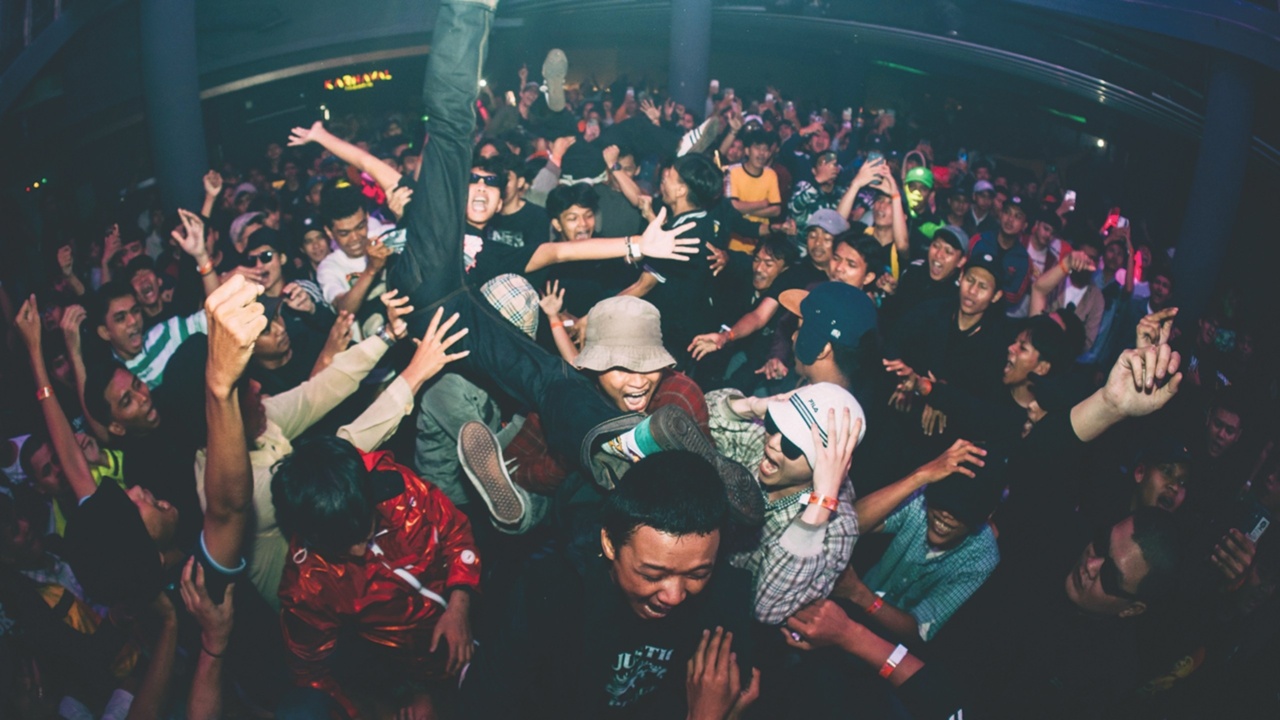
The city’s grand launch in January had the crowd grooving to a dynamic dance performance by Beats by Bits. The urban collective brings art into everyday life through its explosion of movement, sound and colour in public spaces.
Their choreography is directed towards those who typically steer clear from dance and theatre. The goal? To foster casual interactions between strangers from different social backgrounds. After the energetic showcase, a beginners’ dance session had the audience testing out their moves.
Another project driving the city in a positive direction is ‘Main Light’. On a mission to brighten up the unlit cycle paths between Offenbach and Frankfurt am Main, German designers Andreas Lang and Tobias Trübenbacher experimented with sustainable solutions. They wanted to keep riders safe on their commutes home, without adding to light pollution in the process.
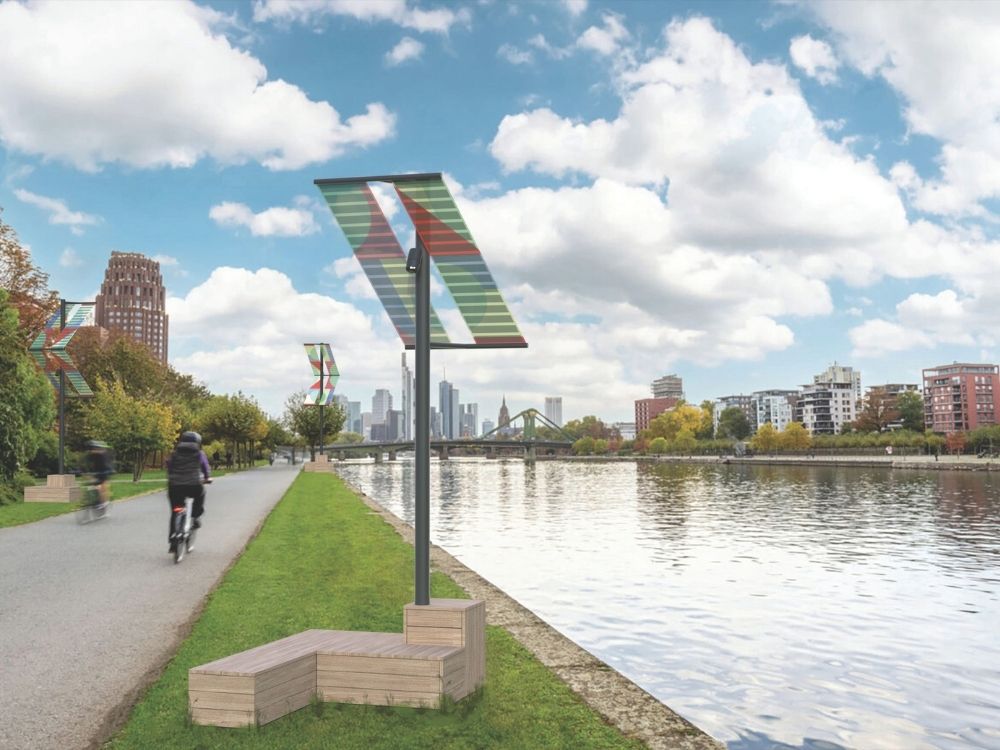
Now you’ll find solar-powered films, which don’t require any power to install, dotted along the route. Unlike regular street lights, the light spectrum is insect-friendly and doesn’t disrupt their behaviour at night. Instead, the bright hues bring colour into public spaces, with a lasting impact beyond the city’s year as design capital.
Local students, graduates and start-ups can channel their creativity at the official WDC Campus, located at the Museum Angewandte Kunst. The space serves as a temporary hub for university projects based around 10 fields: culture and media, sports, public space, mobility, consumption, industry, health, education, building and housing, and work. After months of graft, the work of 250,000 young minds across 40 universities will culminate with a showcase in July.
Come August, pack your face glitter for a four-day open-air bonanza at Kulturcampus Frankfurt. Not many festivals are quirky enough to have their own radio station, but Module Festival is a melting pot of design in all of its forms.
Even the surrounding buildings will be transformed into artwork through audiovisual projections on the walls. Elsewhere, the festival offers a unique blend of film screenings, readings and guided walks.
There’s no need to fork out for an expensive ticket; the events are free and open to everyone. Electronic musician and sound designer Suzanne Ciani will be opening the stage, followed by many more world-class secret acts.
Design isn’t stagnant in Frankfurt, it’s on the move. A mobile pavilion on wheels will embark on one big road trip across the region from April to September. Setting up camp everywhere from cultural landmarks to city squares in Offenbach, Wiesbaden, Darmstadt and more, it expands the conversation beyond the central business district.
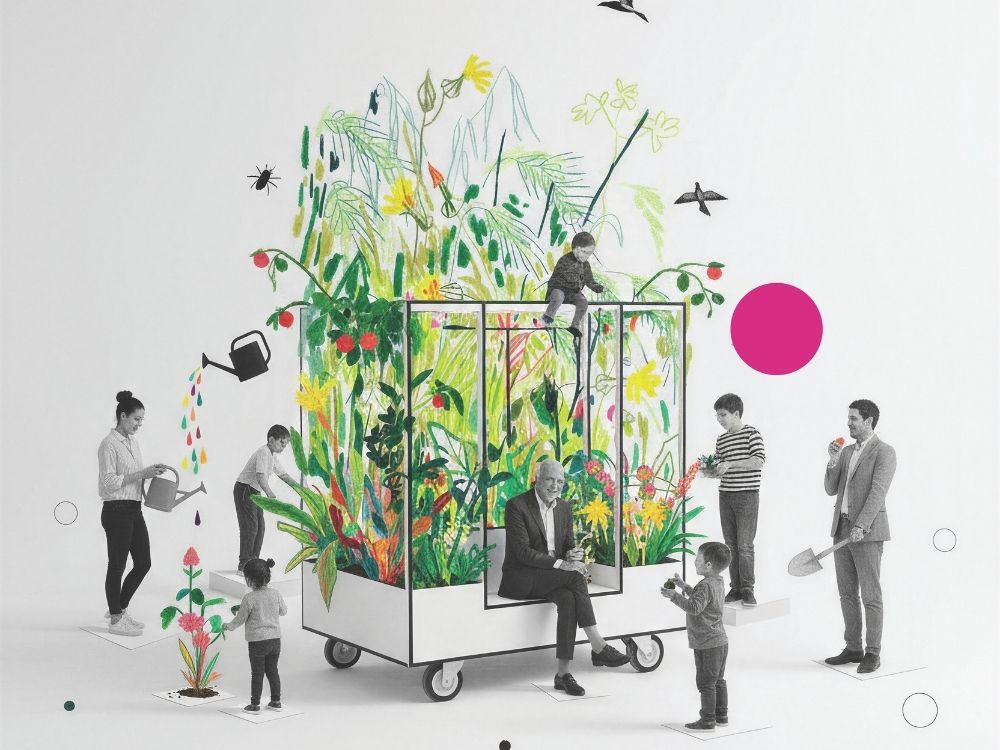
With each location, the pavilion will adapt its colourful programme to suit the local area. On weekdays, local children will trade in-classroom lessons for educational workshops in the temporary hub. When the weekend rolls around, everyone’s invited to participate in talks, performances, music and installations. Count it as your opportunity to take a day trip to explore the smaller towns surrounding Frankfurt.
Anchoring the festival is Open, Frankfurt RheinMain’s 10-day design week from 4 to 13 June. Drifting in style down the Main River, you can even attend some exhibitions on The Floating Space ship. The gallery on water interconnects the Frankfurt RheinMain region and will dock at Hanau, Offenbach, Frankfurt and Wiesbaden along the way. If you’re feeling brave enough, you can easily sign up to present your own artwork on the ship, too.
The final weekend of Open will welcome Vienna’s Forward Festival from 11 to 12 June. This offshoot of the city’s design week is primarily for industry professionals who are passionate about challenging the norm. Under the slogan ‘Form Follows Friendship – Co-Design as a Democratic Practice,’ young Dutch and German designers will join forces on cross-border projects. Tickets are on the pricier side, coming in at €235 for the full weekend, but you can expect high calibre speakers and networking opportunities.
It’s the year Mainhattan rises above its skyscrapers and transforms the community through creativity, which draws to a close with policy days in November. Bringing together designers, scientists and decision-makers at the official World Design Policy Conference, they will debate the following question: how can design methods strengthen democratic processes?
9 Must See Design Weeks
Dubai Design Week
November 2026
This Middle Eastern metropolis has its own designated Design District, also known as d3. As you walk around, you’ll stumble upon ‘abwabs’ (‘doors’ in Arabic), a programme that supports creatives from North Africa, the Middle East and South Asia. Last year, a large-scale textile installation called ‘Stories of the Isle and the Inlet’ that explored Bahrain’s vanishing landscapes took centre stage. The Maker Space will come alive with hands-on masterclasses from perfume making and architectural photo walks to animation and ceramic glazing.
London Design Festival
12-20 September 2026
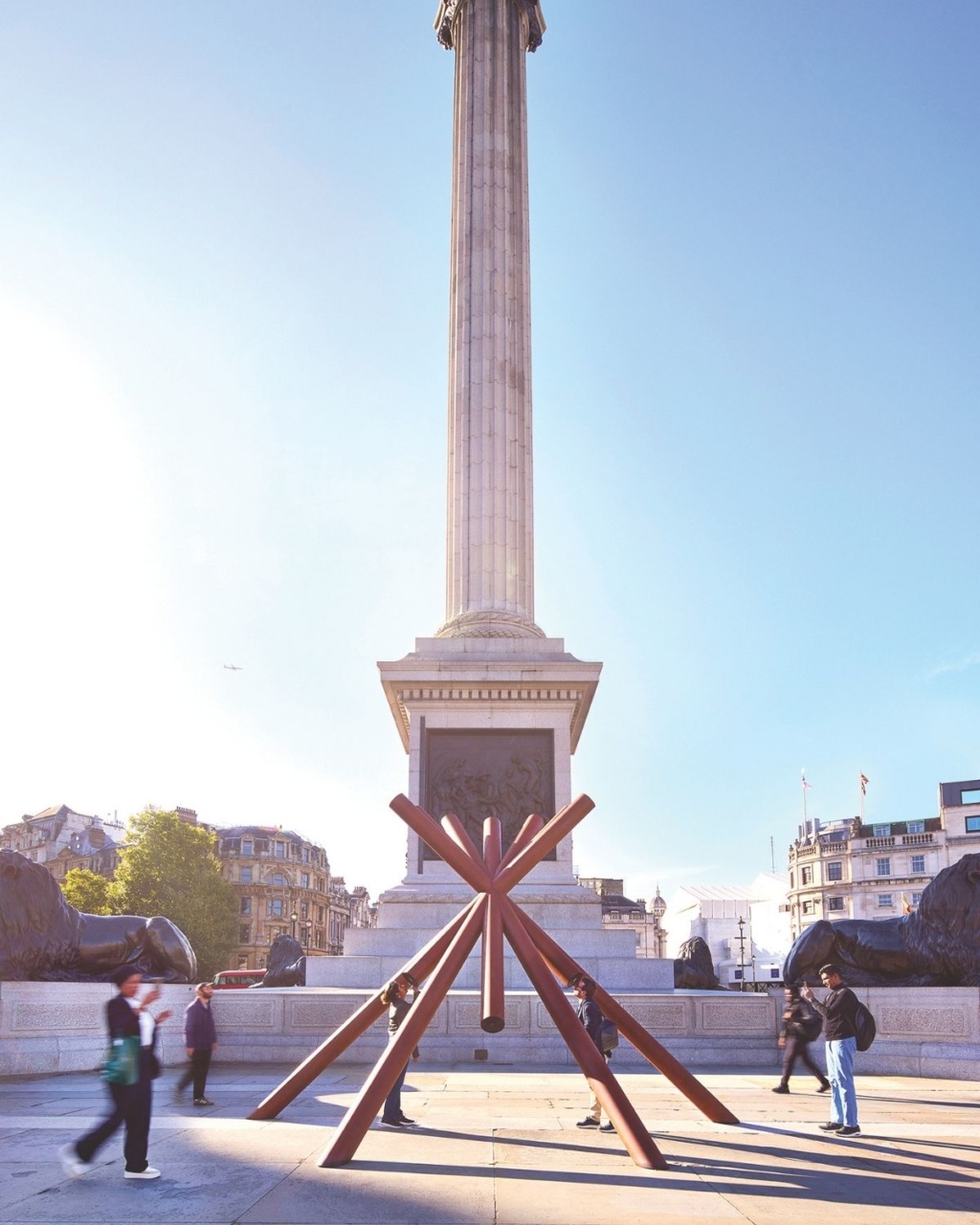
The British capital zooms in on multisensory experiences at its design week. You can taste your way around local gastronomic treasures at the free food and drink trail for lunch (12-2pm) or dinner (5-7pm). On select evenings, late-night design events are soundtracked with live DJs in boutique galleries and studios. On a larger sale, landmarks dotted around the city become a sanctuary for enormous installations. Last year, ‘What Nelson Sees’ by Paul Cocksedge took over Trafalgar Square next to the monument Nelson’s Column. Its striking telescopic viewing tubes invited the public to view London from the perspective of Admiral Horatio Nelson’s statue. Over at the Design Museum on High Street Kensington, Melek Zeynep Bulut reimagined public space with monolithic urban objects.
Vienna Design Week
25 September – 4 October 2026
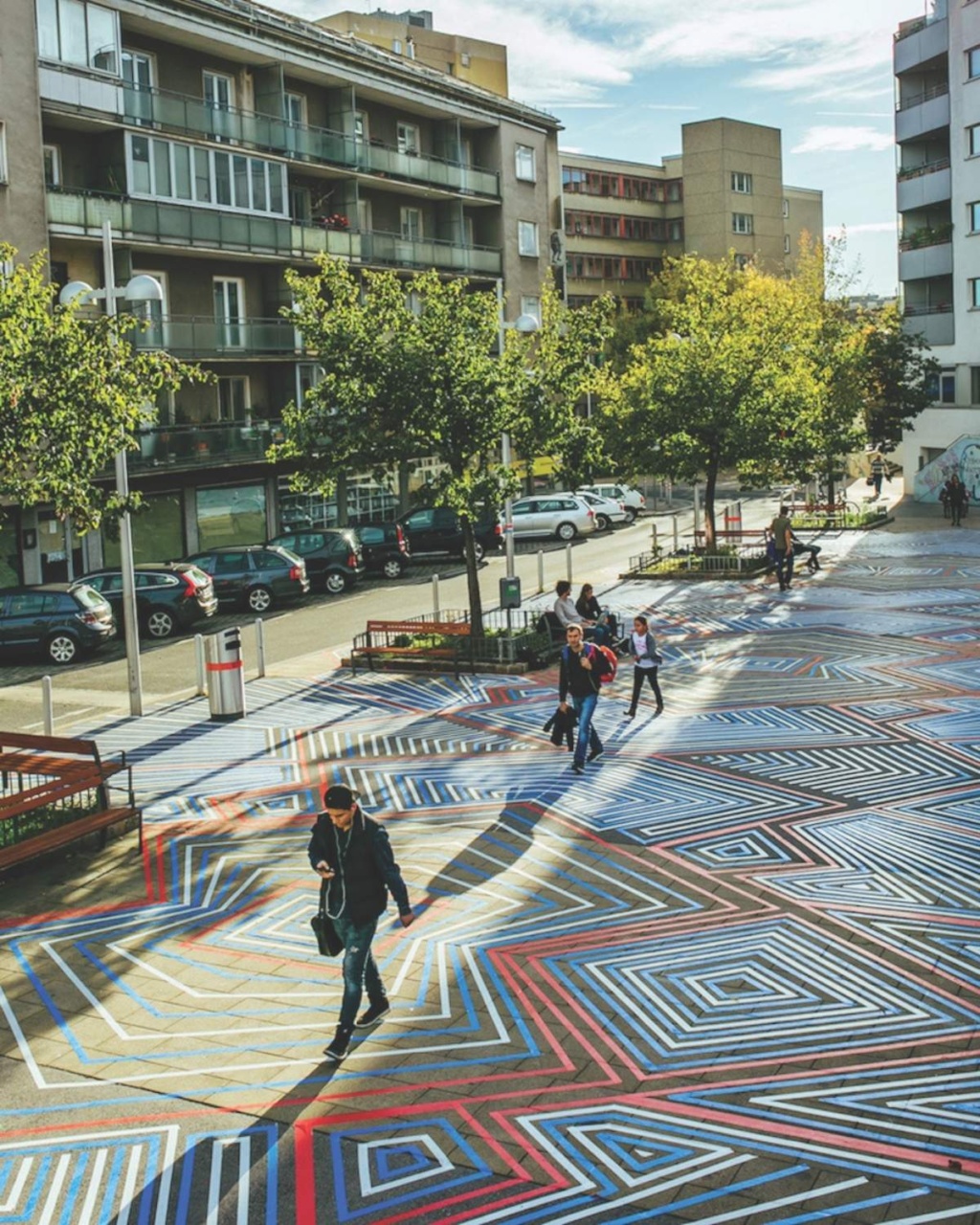
This year mark’s the festival’s 20th anniversary, and festivities will take place at the fourth district. Expect to see collaborations between international creatives and Vienna’s craft-based businesses that bridge heritage and contemporary design.
You can take guided tours around open workshops to see them in action, or participate in a workshop yourself. Last year, Biofabrique Vienna offered a unique tour about how natural dyes can be extracted from your food waste. Finally, take a front-row seat at the Museum of Applied Arts to receive fascinating lectures from experts on sustainable practices, colour design and architecture. A must-visit week.
National Indigenous Art Fair, Sydney
July 2026
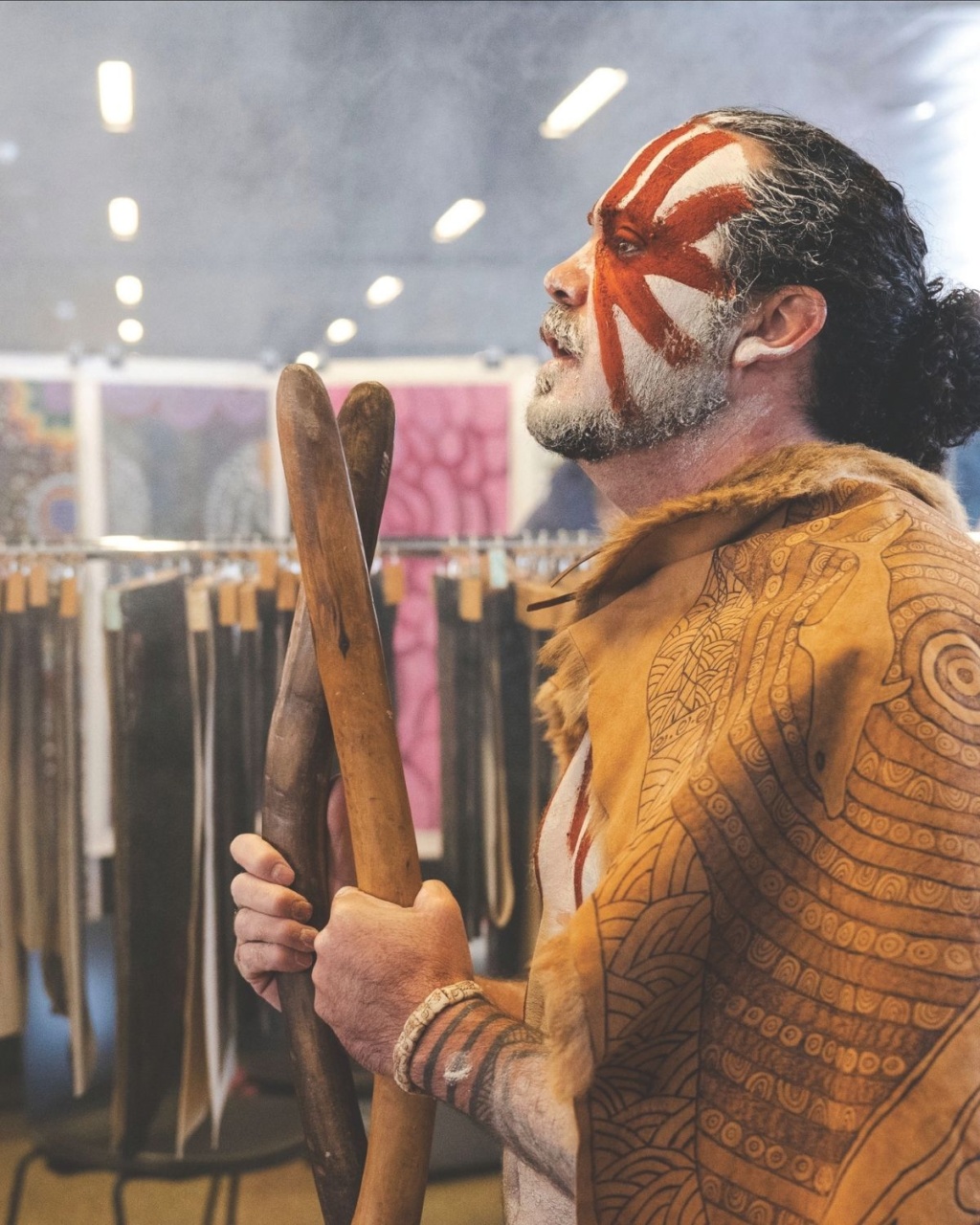
Set against Sydney’s bustling harbour, this two-day bonanza is a celebration of Aboriginal and Torres Strait Islander storytelling through diverse art and design forms. Expect more than 50 stallholders selling native-dyed textiles, homemade jewellery, ceramics, homeware and more. The atmosphere is buzzy, with weaving workshops, dance and singing performances and cooking demonstrations throughout the day. Early on Saturday morning, you’ll experience an indigenous smoking session and even join a procession into the art fair. Entrance costs $3 and tickets can be booked in advance or on the door, while children under 12 go free. All the proceeds go directly back to the artist and Aboriginal communities to maintain and strengthen cultural practices under threat.
3daysofdesign, Copenhagen
10-12 June 2026
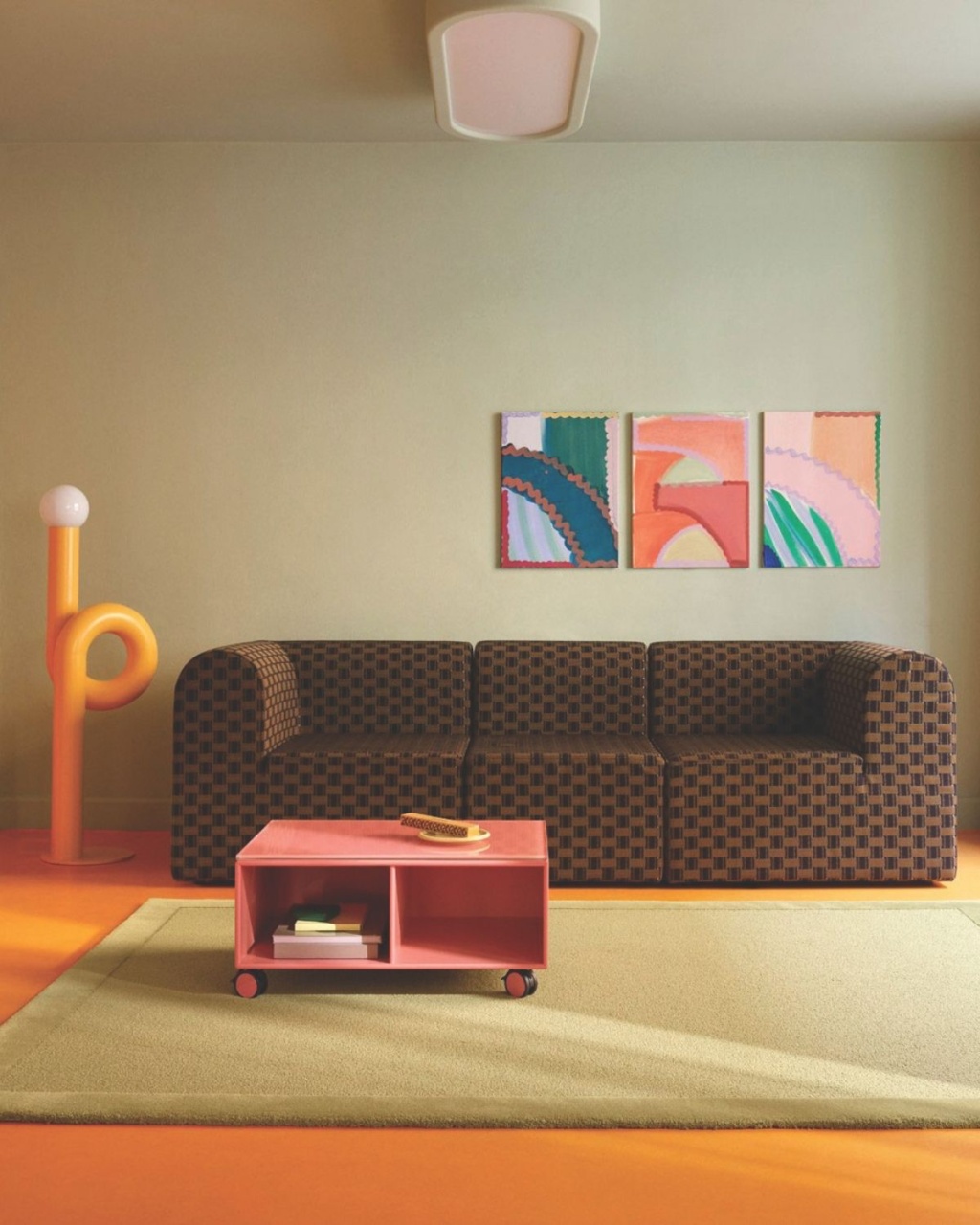
Denmark’s relaxed hygge culture spills into this intimate three-day fair. Here, design is represented as an integral part of daily life and force for connection. You’ll find installations in all corners of the city, from tiny studios and rooftops to old warehouses and boutique hotels. It’s a melting pot of emerging and established designers, who join forces for installations. All events are free of charge, but certain talks need to be booked in advance. As Copenhagen transforms into an enormous open showroom, bring your most comfortable shoes or hop on a bike like a local.
Blickfang, Hamburg
8-10 May 2026
Step inside an oasis of handcrafted goods at the historic exhibition hall Deichtorhallen. Blickfang travels around six cities in Europe, but Hamburg’s three-day fair is the one to watch. Around 120 labels have been handpicked to present their jewellery, clothing and home accessories. Unlike many design festivals, it’s a pleasure to actually buy the pieces you love, and there’s a section for men, too. Every year, a Future Forward Award is presented to a designer and 2025’s went to the brand ‘two hundred tonnes’ for its brilliantly designed low-waste steel furniture. Day tickets are priced at €13, while you can attend the whole extravaganza for €25, but kids go free!
Dutch Design Week, Einhoven
17-25 October 2026
Once the industrial home of technology giant Philips, Eindhoven became known as a ‘city of light’ and innovation. Now in its 26th year, Dutch Design Week champions emerging designers over more established brands. There’s plenty to see as you’ll find over 2,500 designers exhibiting across 120 venues during the nine-day festival. Last year, an exhibition called ‘Wool: Re(Discoverered)’ featured garments from local knitters to encourage the use of a material commonly discarded by farmers. End the evening with a tipple at local creative Piet Hein Eek’s complex in the old Philips factory, where you’ll find his studio, workshop, gallery and rooftop bar, DAKBAR – the place to see and be seen!
Milan Design Week
20-26 April 2026
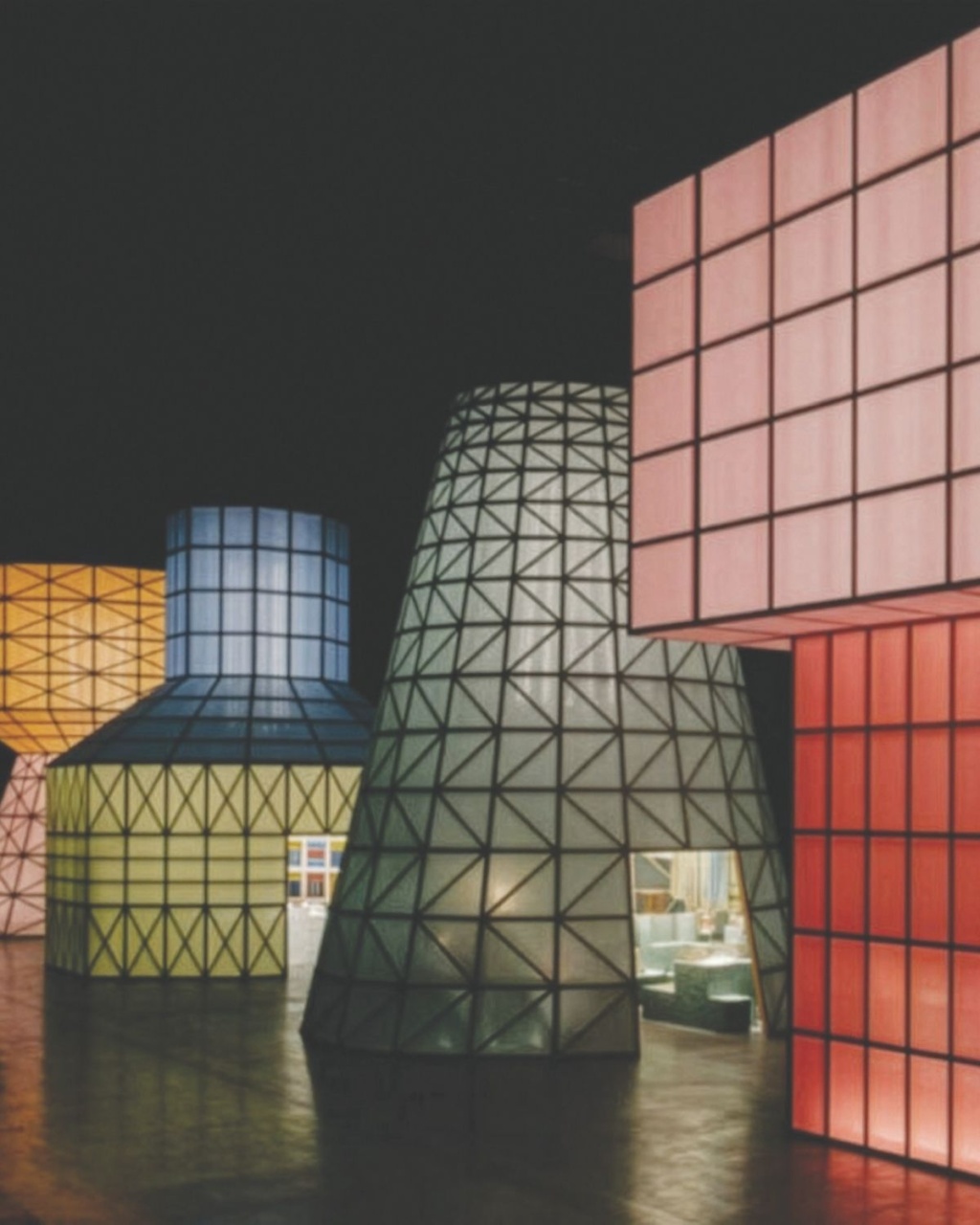
Milan is a staple in the design world calendar. The festival is split into two offshoots: the furniture fair Salone del Mobile Milano and Fuorisalone. With over 2,100 elite brands, the former is primarily for industry insiders but it opens up to the public on the Saturday and Sunday for €35 per person. Running parallel to the main event, Fuorisalone expands beyond furniture and is free to attend. Wander around 10 districts of installations in historic villas, outdoor courtyards and palaces.
Helsinki Design Week
28 August – 6 September 2026
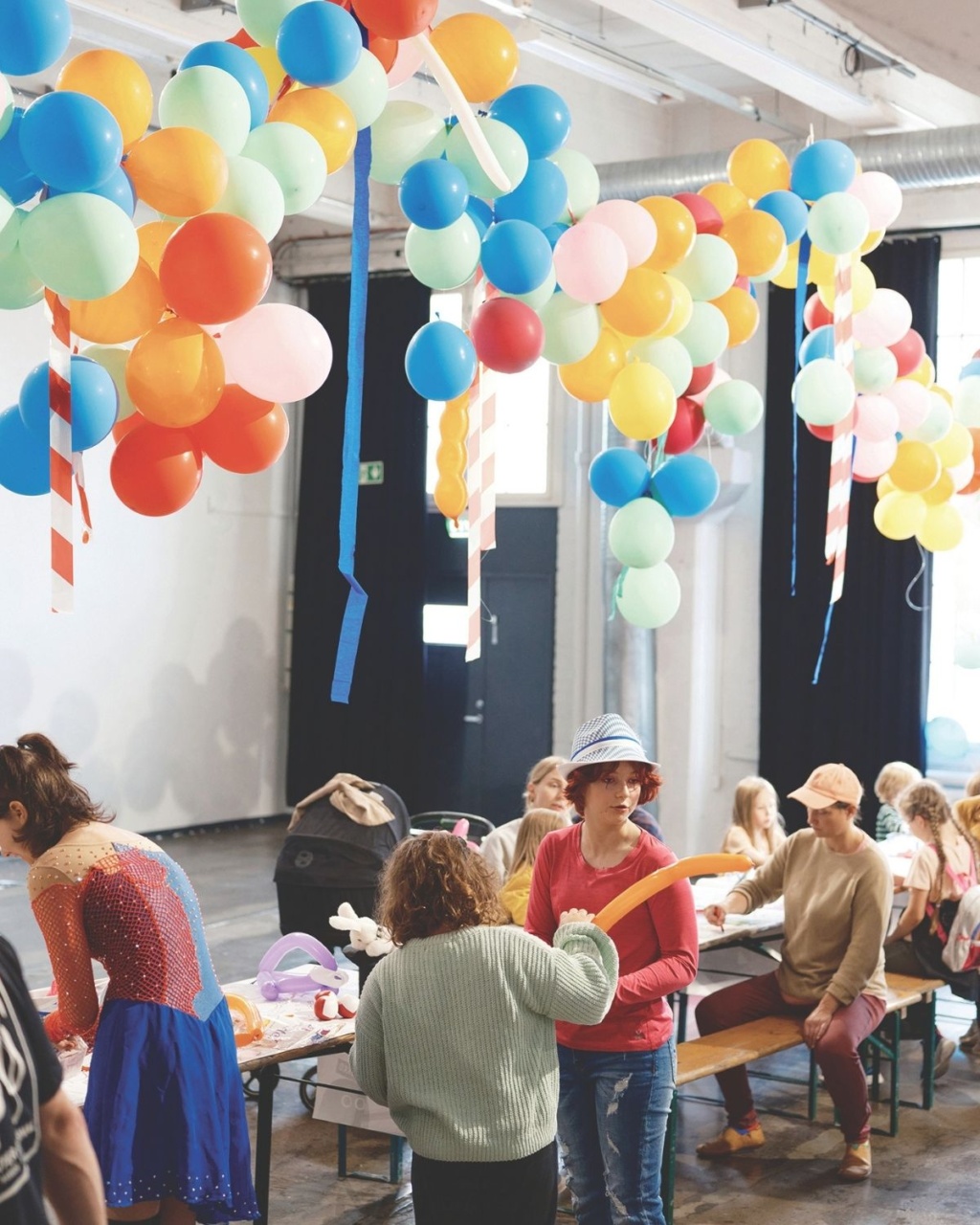
Embrace careful simplicity at this Nordic extravaganza. Following a hybrid format, this festival offers some online components, such as remote access to talks and exhibitions. Last year’s theme centred around the question: ‘Can design shape happiness?’ This year, the brand-new exhibition ‘Aalto Design – Shapes of Wellbeing’ showcases a design philosophy that fosters harmony with nature. Held at the Architecture and Design Museum, the project commemorates 50 years since the passing of pioneering Finnish architect Alvar Aalto. Snap up a dinner table at the 100-year-old restored clock tower at Helsinki’s Central Railway Station.