Florian Kaps, or Doc as he is known, worries digital technology is stifling our ability to enjoy the human senses. “You cannot be happy people with just digital,” says this Austrian entrepreneur. “You need reality. Digital technology tickles just two of your senses: you can see it and you can hear it. But you need to smell, touch and taste to be a happy human. In the end, we’re all analogue creatures, seeking physical, tactile and meaningful means of expression.”
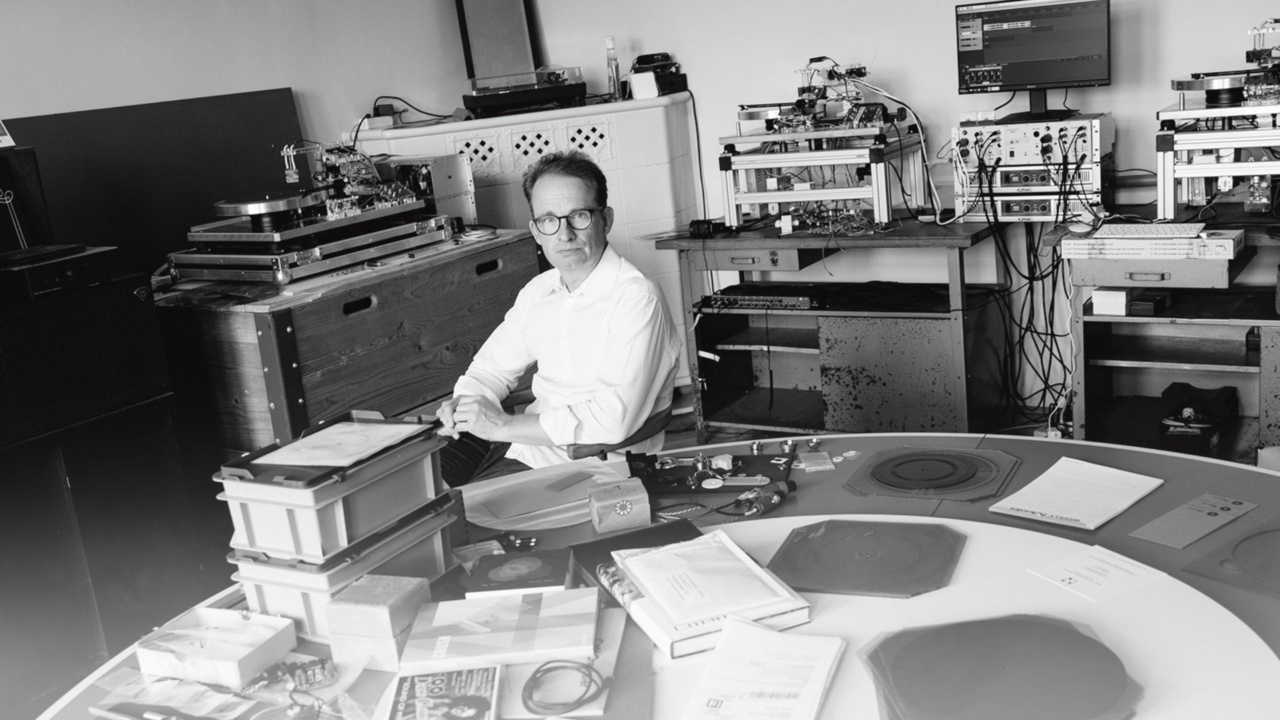
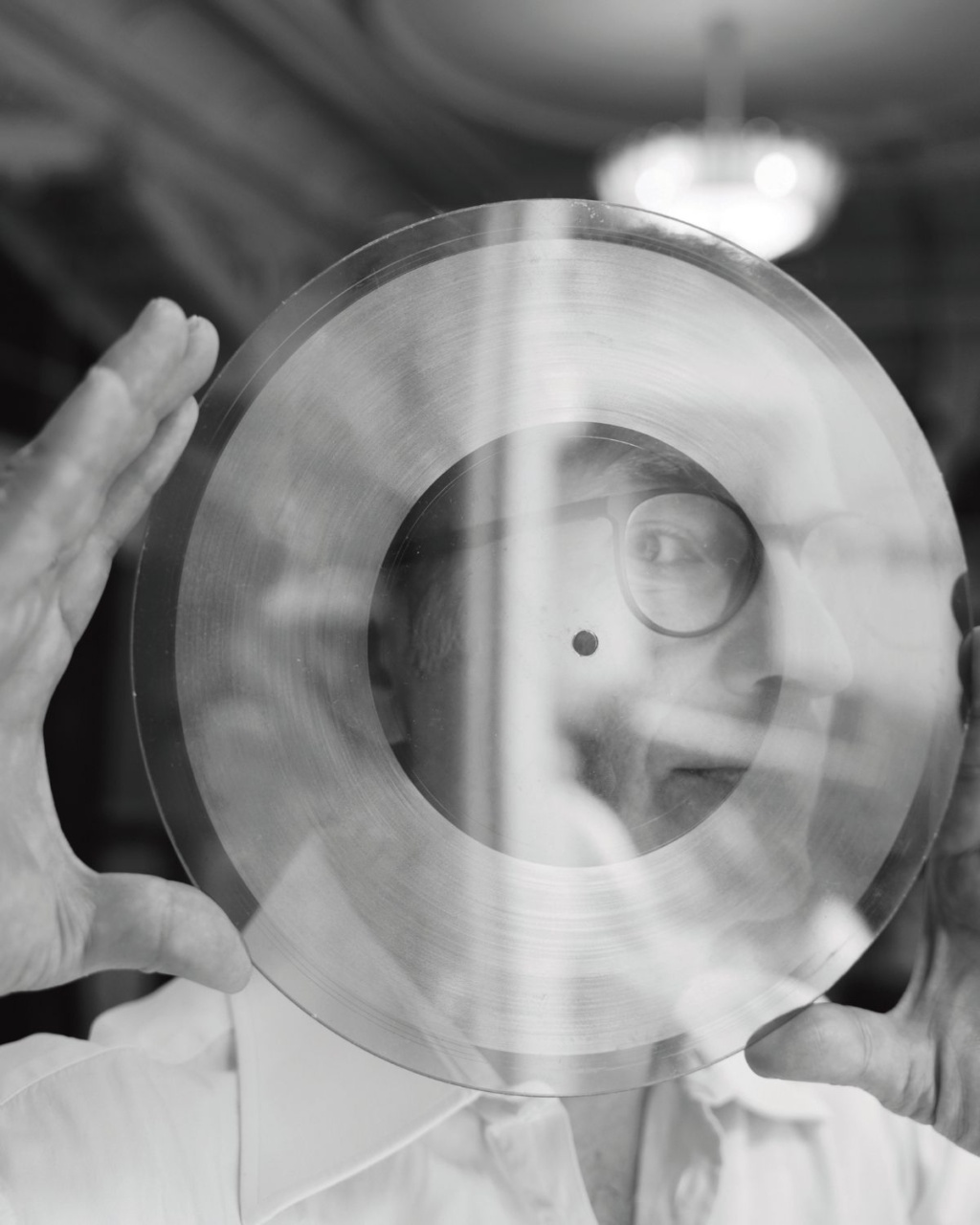
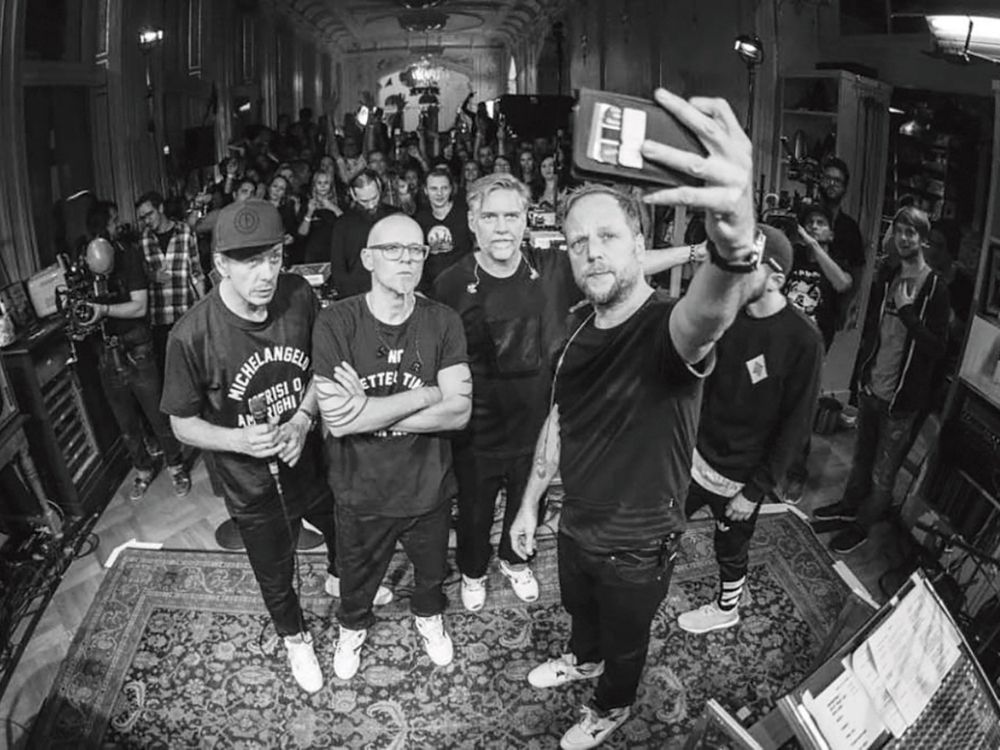
Seventeen years ago, in an effort to ward off the onslaught of digital technology polluting our lives, as he sees it, Doc set up a rather eccentric business in Vienna called Supersense. Spread across four floors of a Venetian-style palazzo building, it includes a vast collection of analogue devices such as gramophones, typewriters, cassette players, printing presses, VHS video recorders, film projectors and print cameras. Describing it as an ‘analogue laboratory’, Doc uses it to stimulate all five of the human senses. There’s a restaurant where food is cooked in a wood-fired oven. There’s a factory for instant film, and a print shop. There’s a recording studio where artists perform live while records are produced on a cutting lathe. Soul singer Gregory Porter and acoustic musician Jack Savoretti are among those who have recorded direct to disc here. Books, cards and packaging are created in the print shop, while in the record factory Doc and his colleagues are experimenting with a new record format, more environmentally-friendly than traditional vinyl, made from recycled ocean plastic. Singer Billie Eilish has already expressed an interest.
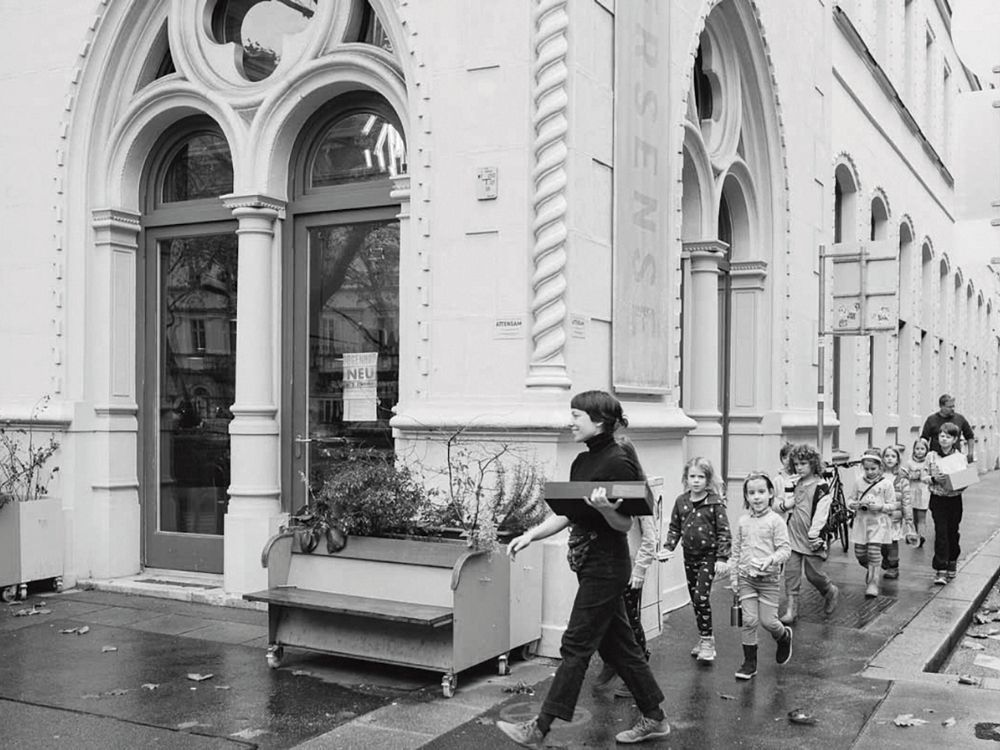
On the top floor of Supersense, Doc’s wife Anna runs a holistic therapy centre. There’s even a state-approved school with 45 six- to 12-year-olds enrolled, where pupils are encouraged to learn ‘with all the senses, with the heart, brain and hands’. No wonder Doc has been called the ‘self-appointed patron saint of all things analogue’. “Supersense is one of my dreams come true,” he says of his venture. “I found out that the people who love Polaroid, also love vinyl. They also love good coffee, and books. And I found this crazy Venetian palace in the heart of Vienna—the perfect home for bringing all these technologies under one roof.”
The 56-year-old, who lives nearby with Anna and their three kids, isn’t running Supersense as a money-making venture, indeed any profit is reinvested into his ‘next stupid idea’. Instead, he sees himself as a sort of warrior in a Terminator-style battle between man and artificial intelligence. Initially, Anna was exasperated by Doc’s endless stream of ideas. But now that she has a vested interest in the business through her therapy centre, he has won her over.
Doc is hopeful for the future, pointing out how analogue formats such as vinyl records, print film, cassette tapes, flip phones and hand-written journals are all enjoying a resurgence thanks to interest from the younger generations. And he believes this resurgence is no fad; it’s here to stay.
“All the digital companies underestimate the power of humans”
He is convinced there will be a backlash by younger generations against digital supremacy. “Digital is just f**king boring,” he laments. “We are not getting more excited by digital technology, we are getting less excited. The biggest problem is it takes away our ability to daydream. When you have spare time, you don’t think about things or digest things anymore. You just take out your shitty phone and look at stuff.” He worries technology companies are ignoring the human side of their customers at their peril. “Everyone is investing in digital and I think that’s very short-sighted,” he adds. And he has a message for the tech bros in Silicon Valley: “Sorry, dudes, but your customers are human beings, not numbers.”
It’s a noble mission Doc is undertaking, one which started in 2008 when, against all sensible business advice, he bought a factory making instant film for Polaroid cameras. Doc teamed up with other entrepreneurs to purchase Polaroid’s last remaining factory in the Netherlands in an attempt to develop a new type of instant film. Their story was the subject of a 2020 documentary called An Impossible Project. Although Doc left the company in 2013, production continues under the Polaroid branding.
Since then he has had no shortage of increasingly eccentric ideas. As well as all the thriving projects at Supersense, he now has his sights set on redeveloping a hotel 50-odd miles southwest of Vienna, called Südbahnhotel. Although the last guest checked out in 1976, the building, which dates from the 1880s, is still intact, with an impressive dining room, two ballrooms, and much of the furniture remaining. Doc knows it’s a highly ambitious project, even for him, but he’s confident it will eventually come to fruition. “To never stop believing, that’s my secret weapon,” he says optimistically. Doc has also worked with 25hours Hotels. In many of the group’s 17 hotels he has helped install record players, Polaroid cameras, typewriters, tube televisions and video cassette recorders for guests’ use.
When he first started on his analogue journey, virtually everyone viewed Doc as an eccentric dreamer. Charming, gregarious, likeable, yes, but never likely to make any money. Now, 17 years later, as analogue technology gains traction with younger audiences and becomes more mainstream again, perhaps he has found a certain redemption? “Unfortunately not,” he says, laughing. “That was my hope, especially when I talked to banks or investors. I hoped they would stop asking me these questions: ‘Who will buy it? Is there a market for it?’” Doc reminded potential investors of the recent success of instant print cameras, for example, which are projected to reach an annual value of US$1.91 billion by 2033; or vinyl records, which are expected to reach over US$5billion by the same year. “But they still didn’t get it,” he adds. “They would tell me: ‘The next big thing is artificial intelligence’. They don’t see the potential, even if the analogue businesses are getting the numbers.”
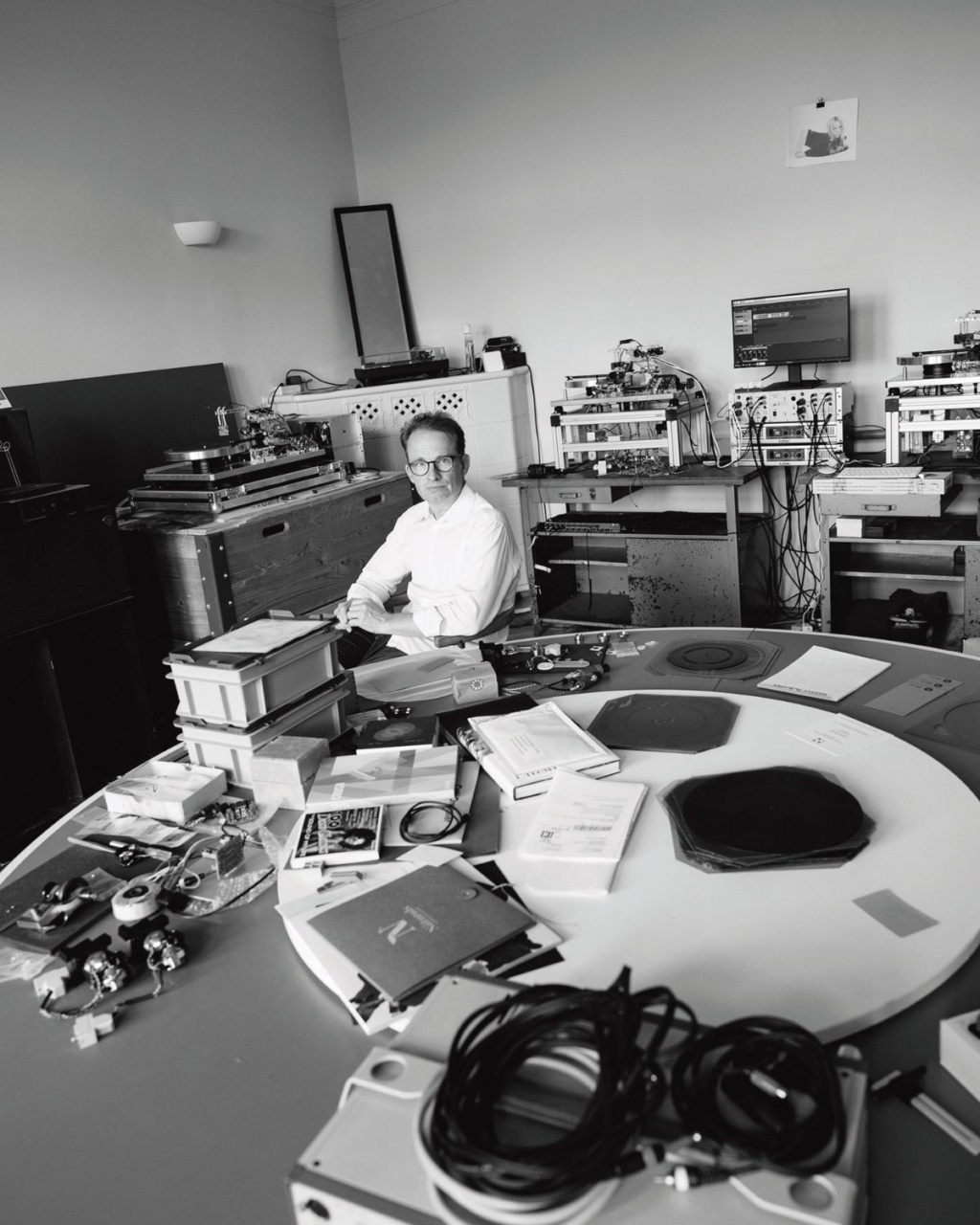
Despite his love for yesteryear’s technology, Doc insists he is no luddite dinosaur. He uses Apple computers and iPhones, and by necessity much of his business is conducted through digital technology. It would be impossible to work any other way. His hope is that somehow analogue and digital technologies can work alongside each other, serving humans without alienating them. Why shouldn’t we listen to records in our living room but stream digital music when we’re travelling, for example? Why can’t we notate our ideas by pencil in a journal and by typing on a screen? Why can’t we read newspapers in print and online? There is room in our world for both styles of technology.
“People think I’m very eccentric or nostalgic or romantic, but I’m not,” Doc insists. “I really believe in the chance to build technologies as a combination of analogue and digital. It’s time to merge these two technologies and come up with new solutions.”