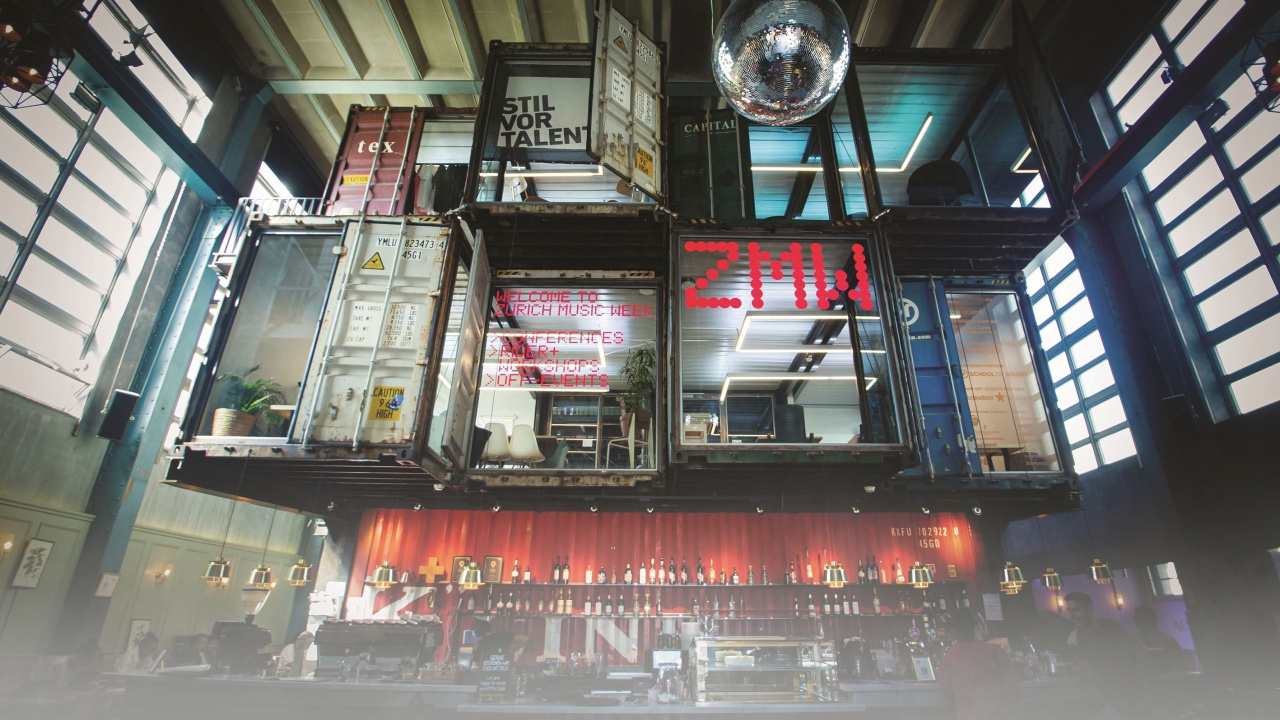
Zurich Music Week (ZMW) takes place in the run up to Zurich Street Parade, and despite only being in its fourth year, is already a vibrant platform for electronic music where artists and industry come together to connect, start collaborations, network and promote young talent … and, of course, dance and enjoy the music at one of the numerous showcases and parties throughout the city.
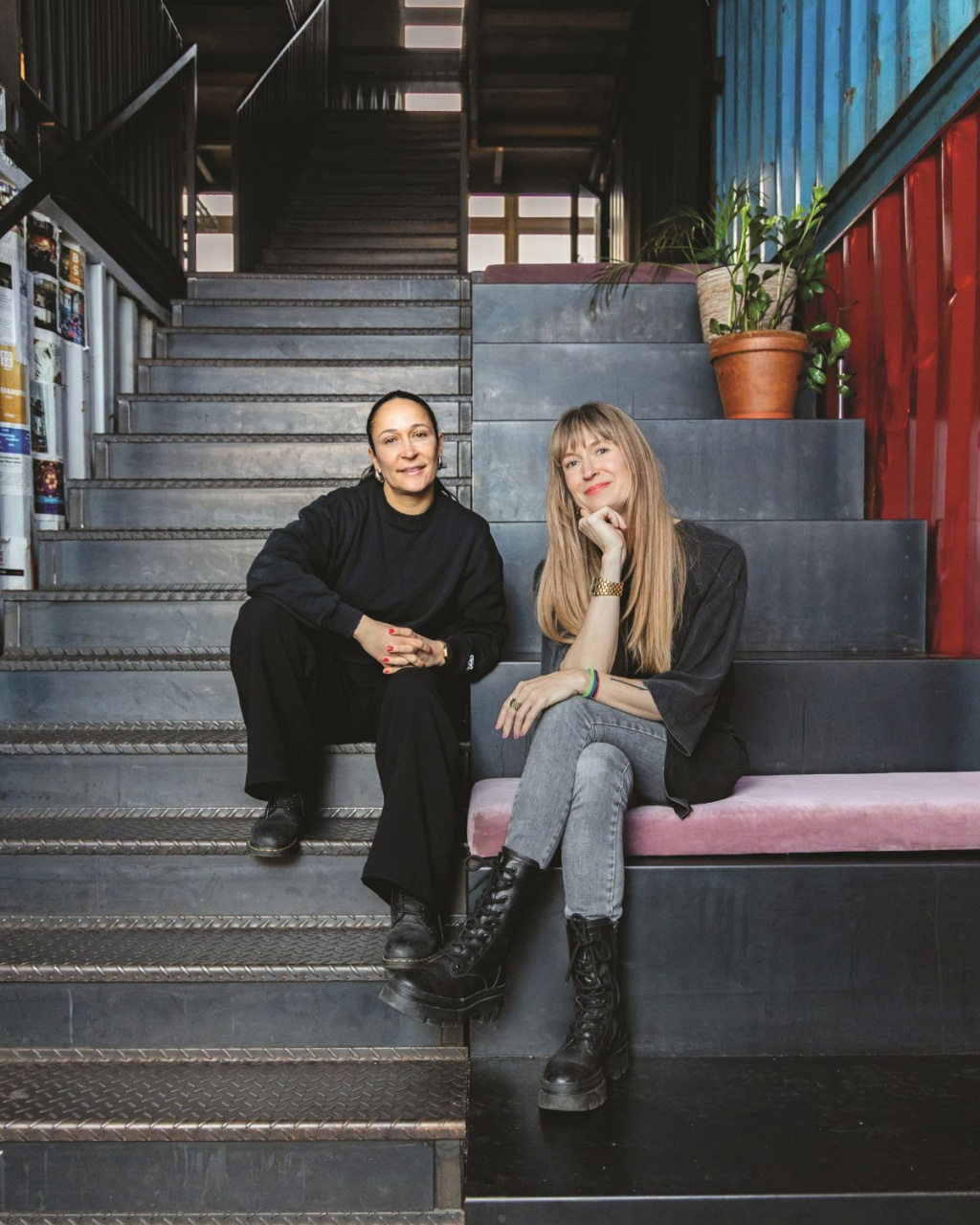
Elke Mayer, ZMW’s festival director, is not only the former co-director of the Zurich Film Festival, she has been rooted in the electronic music scene for more than 20 years. It all started back in the days with her first job at Partysan, a magazine for electronic music in Germany. Together with a collective she organises parties and DJs herself. “ZMW draws on the huge tradition of electronic music in Zurich,” says Elke. “It’s part of the DNA of the city. Berlin Love Parade began in 1989 as a small demonstration for peace, love and unity. By the time I went in the 1990s, there were already one million people. Street Parade followed in Zurich in 1992. Back than you could already hear “Techno is dead”. It is obviously not. Electronic music is more popular than ever, especially now in times of social media. Like any other subculture, however, the electronic music scene must also continue to evolve.”
Switzerland’s largest city is well placed to capture the electronic music crowd lying right at the centre of Europe, and attracting attention from all the party people, artists, producers, bookers and promoters travelling to festivals during the summer. The city is part of UNESCO’s Intangible Cultural Heritage list because of its techno culture. What’s more, Zurich Music Week (3-9 August 2026) begins on the Monday before the city’s famous Street Parade (streetparade.com), the biggest techno and electronic music parade in the world attracting up to a million people with massive sound systems around Lake Zurich. The police call it the ‘biggest and most peaceful demonstration Zurich has ever seen’.
ZMW began with small steps including local DJs hosting master classes with support from local clubs. “We are a boutique festival. We want quality over quantity,” says Elke. “A huge part of ZMW is about education. We offer masterclasses and workshops where we bring big industry names who are masters of their craft together with upcoming artists to talk about how their careers have been, what it’s like behind the scenes, how to get a better producer, how to build their own label, and all the other jobs the music industry offers. And of course, there’s always plenty of opportunity for everybody to dance and enjoy the music!”
ZMW’s head of industry/programme, Cátia Rosa who brought her Zurich club scene promoter and DJ connections to this exciting event, adds, “Now we are able to ask famous DJs such as Christian Löffler and Khainz to host masterclasses,” says Cátia. “We sell the tickets, but our conferences are free. We think that education, learning and discussions should be offered to the new generation of young people. We ask a label or someone who’s already well connected in the electronic music industry to create a panel where they can invite a discussion around a really great topic that’s important for the scene.”
ZMW’s 2025 highlights included Emanuel Satie, the award-winning producer and DJ who fills Pacha. Cátia explains, “Emanuel hosted his first masterclass and also played the opening in front of 300 people. He said he was nervous despite often playing in front of 30,000 people. In a masterclass it’s so different as all your contemporaries are watching!”
Parallels are two young artists who have played all around the world and hosted their first masterclass ever at ZMW last year. “We can catch people like this who realise how important education is in our industry,” said Cátia.
“We created one of our podcasts with Berlin DJ Anja Schneider who started in the early 90s. She did the podcast live in front of the public, and it was such a good experience she was inspired to do more,” said Cátia. “We also had Radio Slave playing at Fashionslave, a fashion boutique for the scene, and we organized a panel at Barfussbar, a beautiful summer location at the river. We’re always open to bringing the ZMW to extraordinary places.”
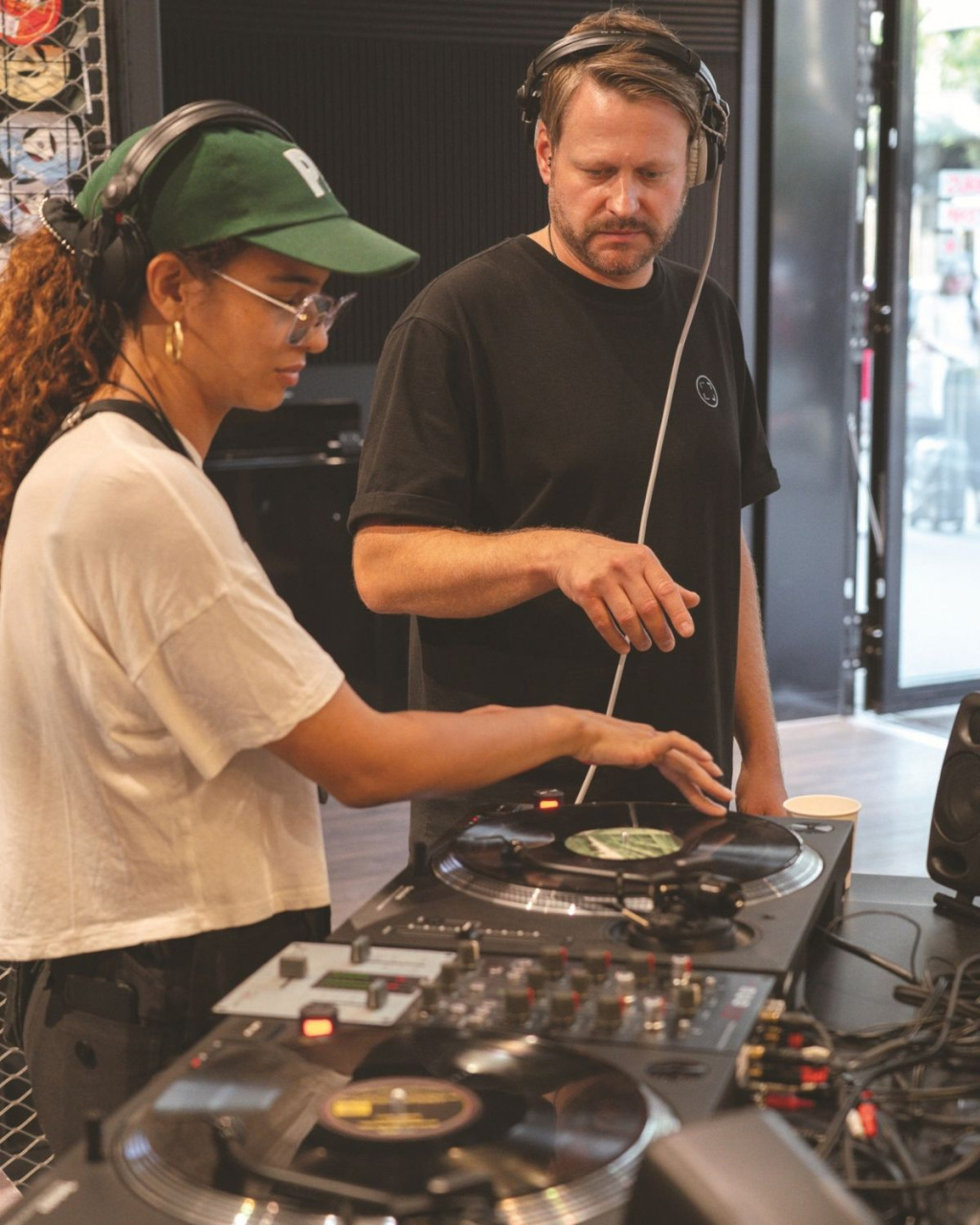
Cátia was always keen to create a platform for newcomers as she noticed that DJ line ups were often the same with people gatekeeping their slots. “I was one of first female promoters in the clubs and back then, 10 years ago, there were hardly any female DJs on the scene. I founded the party label neuton to support newcomers and several artists who started there have since released music on very cool labels. Then I started to work at Zurich Music Week, giving out passes and looking after artists, always championing female artists.
SKALA is one of the producer/DJs Cátia rates highly. “She made the list for 1001 Tracklists’s 2025 Producer for the Future of Dance award. It’s not so easy to find women who produce as well as DJ. Natascha Polke is another favourite. “Natasha was at ZMW in its very first year. She’s the one that really progressed. I remember her doing her own parties. She’s still supporting us and may do her first masterclass this year. There are some totally inspiring artists out there.”