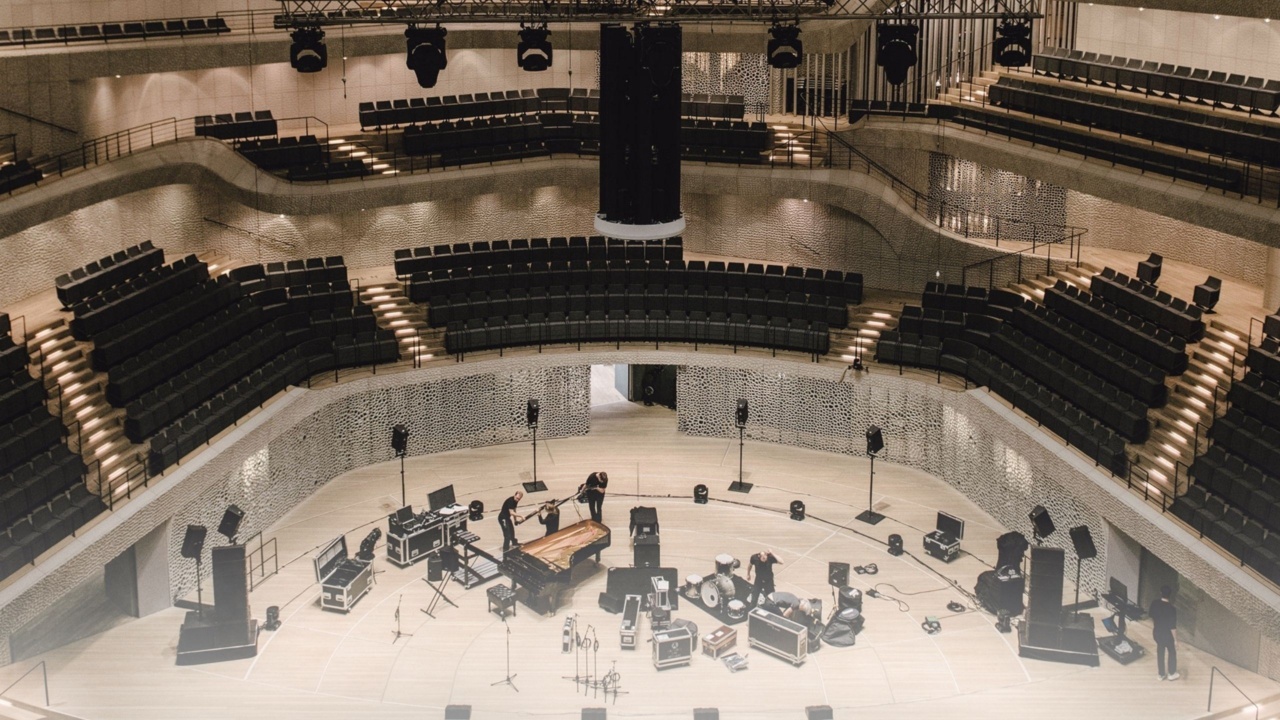
It’s an uncharacteristically warm afternoon in February and the observation deck at Hamburg’s Elbphilharmonie is teeming with visitors. Open to the general public, the plaza — which boasts a 360-degree view onto Germany’s second-largest city — has drawn over half a million guests since it opened in November 2016. Both of tonight’s performances — the avant-garde musician Laurie Anderson in the Recital Hall and jazz supergroup Rymden in the Grand Hall — have already sold out.
Surveying the scene, it’s hard to imagine that the Herzog & de Meuron-designed concert hall was once mired in controversy. But back in 2010, as the scheduled opening date was delayed and costs ballooned from the planned 186 million to an estimated 323 million euros (the final price tag was an eye-watering 798 million), public support for the project dipped to an all-time low. It wasn’t just the city’s financial mismanagement that irritated locals; for many, the Elbphilharmonie had become a symbol of elitism — a place funded by taxpayers for the benefit of a wealthy few.
Fast-forward nine years and all signs of dissent have disappeared. Not only has the building’s design been widely celebrated by the press, but it has also proven to be a commercial success. The outcome can’t be attributed to the building alone. Under the leadership of Artistic Director Christoph Lieben-Seutter, the Elbphilharmonie’s programme includes a melange of genres, from singer-songwriters and rock bands to pop acts and traditional folk musicians. The Elbphilharmonie has also reached out to other groups in Hamburg who might have otherwise given the concert hall a wide berth; they organised a festival of Syrian music in 2017, and since 2016 have acted as a venue for the citywide Reeperbahn Festival, a mecca for young indie music fans.
This approach is increasingly being implemented in venues across Europe: ‘You’ll find many a concert house with the same policy, from Müpa Budapest to the Philharmonie de Paris, from the Barbican in London to BOZAR in Brussels,’ says Tom Schulz, a spokesperson for the Elbphilharmonie. ‘People of all ages have grown up with a broad variety of music from many different genres and, more often than not, different cultures. There’s a level of excellence in all of these art forms that needs to be cherished and displayed. Jazz, for instance, could be considered as the classical music of the 20th century.
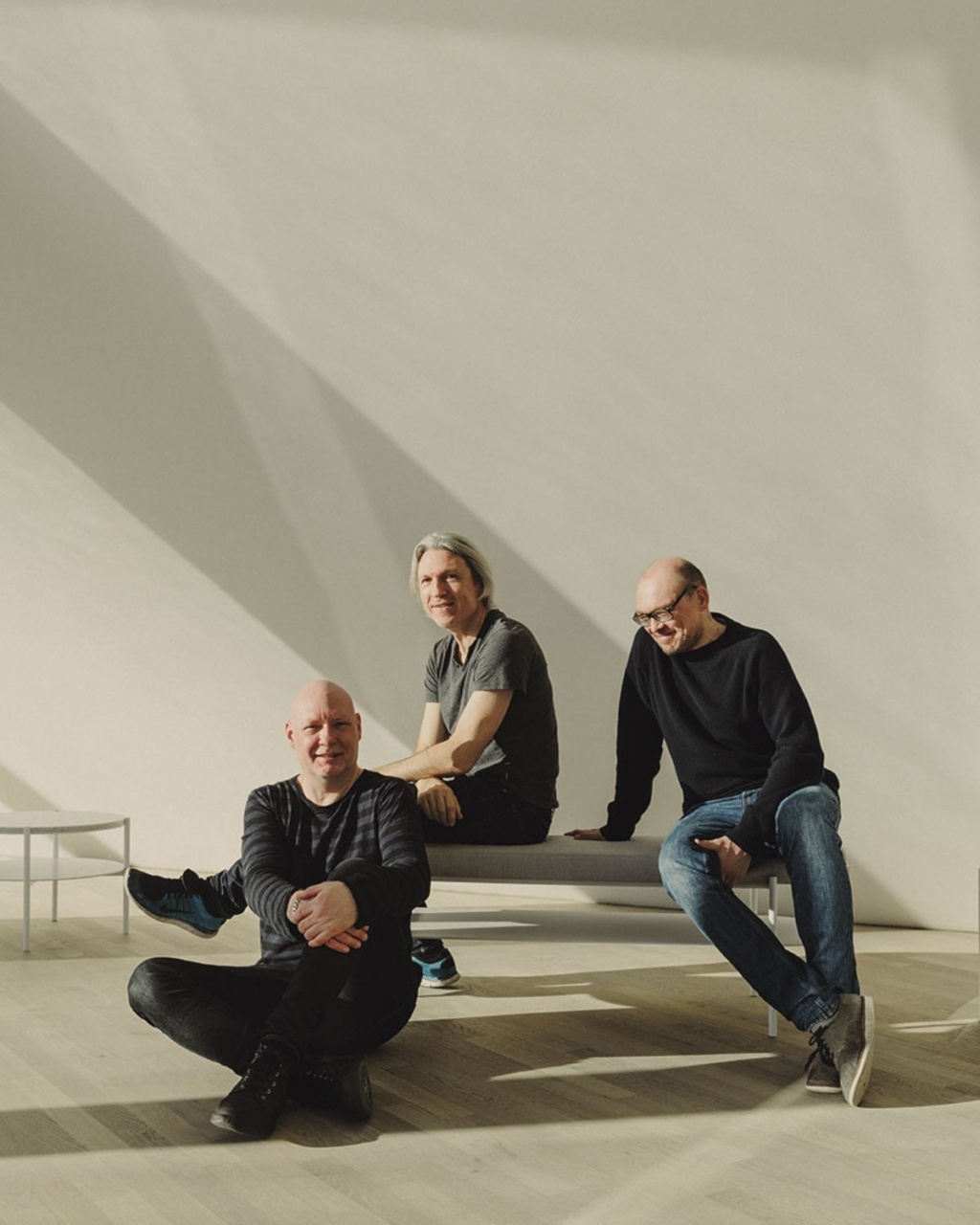
’The Elbphilharmonie is now on its third edition of Jazz at the Phil, which brings together legendary musicians from all over Europe, Africa, and the US who — in typical Elbphilharmonie fashion — mix styles ranging from contemporary hard bop and rock to electronic and bossa nova. Tonight’s performers, the Scandinavian piano trio Rymden — consisting of Bugge Wesseltoft from Norway and Dan Berglund and Magnus Öström from Sweden — are perfect examples of the programme’s spirit. Full of crashing drums and electronic reverb, their debut album, ‘Reflections and Odysseys’, reflects clear influences from outside the jazz canon. Heard live, its tracks oscillate between ambient soundscapes reminiscent of prog rockers Pink Floyd and the stirring melancholia of a Hollywood movie soundtrack.
It’s an uncharacteristically warm afternoon in February and the observation deck at Hamburg’s Elbphilharmonie is teeming with visitors. Open to the general public, the plaza — which boasts a 360-degree view onto Germany’s second-largest city — has drawn over half a million guests since it opened in November 2016. Both of tonight’s performances — the avant-garde musician Laurie Anderson in the Recital Hall and jazz supergroup Rymden in the Grand Hall — have already sold out.
Surveying the scene, it’s hard to imagine that the Herzog & de Meuron-designed concert hall was once mired in controversy. But back in 2010, as the scheduled opening date was delayed and costs ballooned from the planned 186 million to an estimated 323 million euros (the final price tag was an eye-watering 798 million), public support for the project dipped to an all-time low. It wasn’t just the city’s financial mismanagement that irritated locals; for many, the Elbphilharmonie had become a symbol of elitism — a place funded by taxpayers for the benefit of a wealthy few.
Fast-forward nine years and all signs of dissent have disappeared. Not only has the building’s design been widely celebrated by the press, but it has also proven to be a commercial success. The outcome can’t be attributed to the building alone. Under the leadership of Artistic Director Christoph Lieben-Seutter, the Elbphilharmonie’s programme includes a melange of genres, from singer-songwriters and rock bands to pop acts and traditional folk musicians. The Elbphilharmonie has also reached out to other groups in Hamburg who might have otherwise given the concert hall a wide berth; they organised a festival of Syrian music in 2017, and since 2016 have acted as a venue for the citywide Reeperbahn Festival, a mecca for young indie music fans.
This approach is increasingly being implemented in venues across Europe: ‘You’ll find many a concert house with the same policy, from Müpa Budapest to the Philharmonie de Paris, from the Barbican in London to BOZAR in Brussels,’ says Tom Schulz, a spokesperson for the Elbphilharmonie. ‘People of all ages have grown up with a broad variety of music from many different genres and, more often than not, different cultures. There’s a level of excellence in all of these art forms that needs to be cherished and displayed. Jazz, for instance, could be considered as the classical music of the 20th century.
’The Elbphilharmonie is now on its third edition of Jazz at the Phil, which brings together legendary musicians from all over Europe, Africa, and the US who — in typical Elbphilharmonie fashion — mix styles ranging from contemporary hard bop and rock to electronic and bossa nova. Tonight’s performers, the Scandinavian piano trio Rymden — consisting of Bugge Wesseltoft from Norway and Dan Berglund and Magnus Öström from Sweden — are perfect examples of the programme’s spirit. Full of crashing drums and electronic reverb, their debut album, ‘Reflections and Odysseys’, reflects clear influences from outside the jazz canon. Heard live, its tracks oscillate between ambient soundscapes reminiscent of prog rockers Pink Floyd and the stirring melancholia of a Hollywood movie soundtrack.